Earth Day & Your Car: How Preventative Maintenance and Driving Habits Protect the Planet
Earth Day: Preventative Maintenance & Driving Habits
As we celebrate Mother Earth this month, it's important for us to remember and be mindful of how our vehicle and driving habits affects the environment. This guide explains how preventative auto maintenance and smarter driving habits, like avoiding rapid acceleration and hard braking can reduce vehicle emissions, improve fuel efficiency, and extend the life of your car. Learn how routine services, tire care, and responsible driving not only save money but also help keep vehicles out of landfills, making a measurable environmental impact this Earth Day and beyond.
Your Car Has a Bigger Environmental Impact Than You Think
Every year, Earth Day encourages us to make more eco-conscious choices. While recycling and reducing waste are important, your vehicle is one of the largest contributors to your personal carbon footprint.
The key takeaway:
You don't need a new car to be more eco-friendly; you just need to take better care of the one you have.
Preventative Maintenance Reduces Harmful Emissions
When your vehicle is neglected, it becomes less efficient and produces more pollution. Small Issues like clogged filter or failing sensors can throw your engine's performance and increase emissions significantly.
Services that directly impact emissions:
- Air filter replacement (improves airflow and combustion)
- Oxygen sensor maintenance (optimize fuel-to-air ratio)
- Fuel system cleaning (prevents incomplete fuel burn)
- Exhaust and catalytic converter checks
- Addressing check engine lights immediately
Even one faulty component can increase emissions by a noticeable margin.
Fuel Efficiency = Less Environmental Impact
Better fuel economy doesn't just save you money, it directly reduces how much carbon your car releases into the atmosphere.
Maintenance that improves MPG
- Regular oil changes (reduces engine friction)
- Properly functioning spark plugs
- Clean fuel injectors
- Transmission and drivetrain servicing
- Correct engine timing and tuning
A well-maintained vehicle uses less fuel to go the same distance,
which means fewer emissions per mile.
Tires: The Overlooked Key to Efficiency
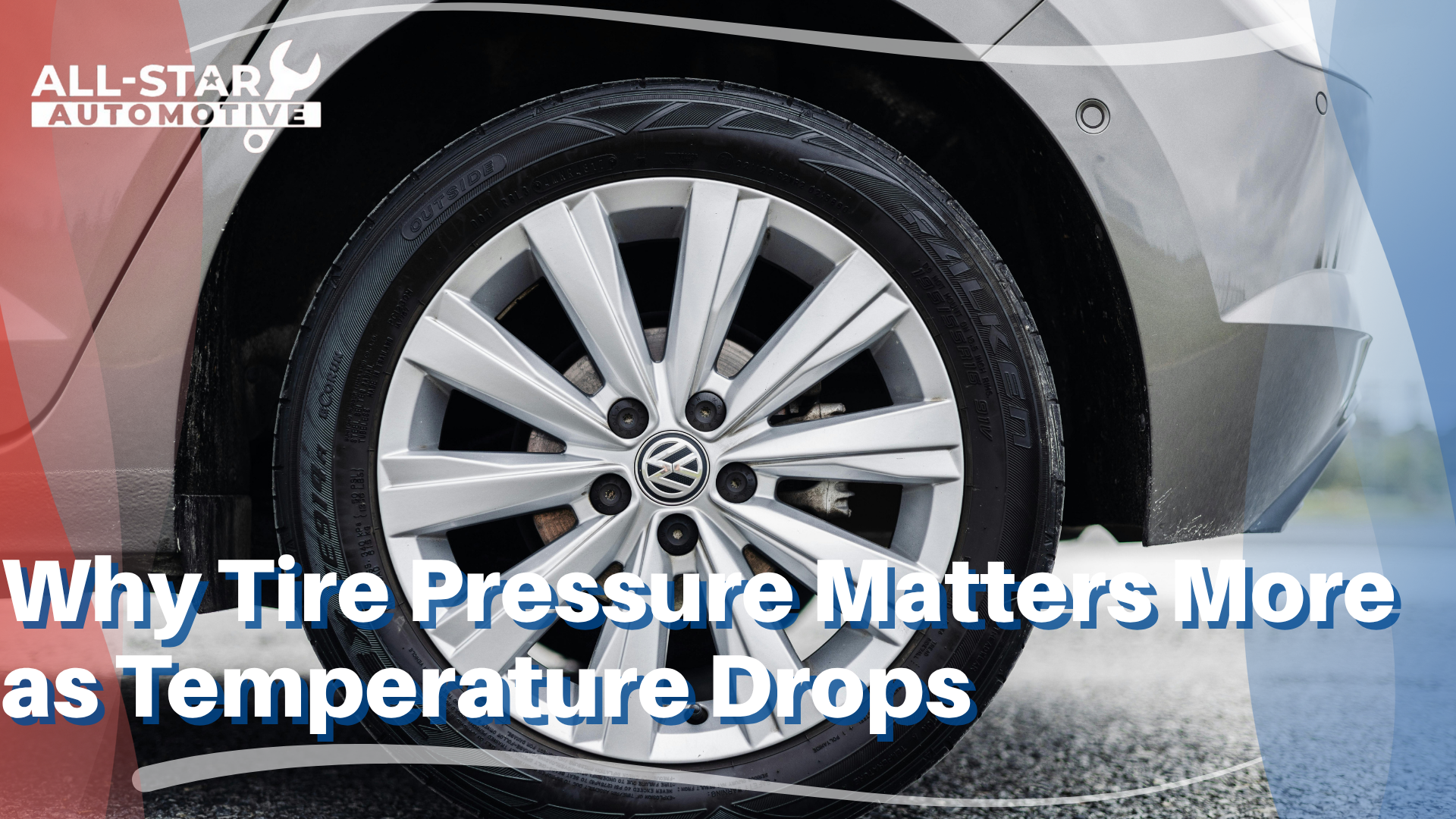
Tires are one of the simplest and most overlooked ways to improve both performance and environmental impact.
Why tire maintenance matters:
- Underinflated tires increase rolling resistance
- Uneven wear reduces efficiency and shortens tire life
- Poor alignment causes drag and wasted energy
Best practice is to check tire pressure monthly, rotate tire regularly, and keep wheels properly aligned. Proper tire care can improve fuel efficiency by up to a few percentage points, small individually but huge over time.
Driving Habits Matter More Than You Think
Even with a perfectly maintained vehicle, how you drive plays a major role in fuel consumption and emissions.
Aggressive Driving = More Fuel Burn
Rapid acceleration and hard braking:
- Burn significantly more fuel
- Increase wear on brakes and tires
- Put stress on your engine and transmission
How can you drive smarter?
- Gradual acceleration
- Coasting to stops instead of hard braking
- Maintaining steady speeds
- Using cruise control on highways
Aggressive driving can lower your gas mileage by 15–30%, especially in stop-and-go traffic.
Less Wear & Tear means Less Waste
Driving aggressively doesn't just burn fuel, it wears out your vehicle faster.
This leads to:
- More frequent brake replacements
- Faster tire wear
- Increased strain on suspension components
By driving smoothly and maintaining your vehicle, you:
- Reduce the number of parts that need replacing
- Lower overall material waste
- Minimize environmental impact from manufacturing new parts
Keeping Vehicles Out of Landfills
One of the most powerful environmental benefits of maintenance is extending your vehicle’s lifespan.
Why this matters:
- Manufacturing vehicles consumes massive energy and raw materials
- Scrapped vehicles contribute to landfill waste
- Frequent replacements increase overall environmental strain
Proper maintenance helps:
- Prevent major system failures
- Extend engine and transmission life
- Keep vehicles safe and roadworthy longer
The longer your car lasts, the less demand there is for new production—and that’s a big win for the planet.
Fluids, Filters & Sustainability
Your vehicle relies on multiple fluids and filters that directly impact efficiency and environmental safety.
Key areas to monitor:
- Engine oil (reduces friction and heat)
- Coolant (prevents overheating and engine damage)
- Transmission fluid (ensures smooth operation)
- Cabin and engine air filters (improves air quality and performance)
Proper disposal and timely replacement of these components prevent harmful leaks and contamination.
Small Changes Add Up
You don’t need to overhaul your lifestyle to make an impact.
Simple ways to be more eco-friendly with your car:
- Keep up with scheduled maintenance
- Drive smoothly and avoid aggressive habits
- Keep tires properly inflated
- Fix issues early before they become major problems
These small steps collectively reduce emissions, improve efficiency, and extend the life of your vehicle.
Commonly Asked Questions:
Auto Maintenance, Driving Habits & the Environment
Does aggressive driving really affect fuel economy?
Yes. Rapid acceleration and hard braking can reduce fuel efficiency by up to 30%, especially in city driving.
What’s the fastest way to improve fuel efficiency?
Start with proper tire pressure, regular oil changes, and smoother driving habits.
Why is fixing a check engine light important for the environment?
Many warning lights are tied to emissions systems. Ignoring them can increase pollution and fuel consumption.
Is maintaining my car better than buying a new one?
In many cases, yes. Extending your vehicle’s life reduces the environmental cost of manufacturing a new one.
How do brakes impact efficiency?
Frequent hard braking wastes energy and increases wear, leading to more replacements and higher environmental impact.
Do short trips affect emissions?
Yes. Engines run less efficiently when cold, so frequent short trips can increase fuel usage and emissions.